



OSTEOPATHY
Hands-on osteopathic care combined with personalised exercise rehabilitation to support your return to the activities you value most.
What can Osteopthy help with?
Treatment focuses on enhancing the body’s innate ability to heal, adapt, & self regulate.
Back pain & Sciatica
Neck pain, headaches, migraines & TMJ
whiplash & tMJ
shoulder pain
elbow & wrist pain
hip pain
knee & ankle pain
pregnancy & post-natal care
paediatric care
chronic pain
sporting injuries
growing children & teenagers
primitive reflex assessment & Treatment in children
Workcover, DVA & TAC Injuries
Using skilled evaluation, diagnosis and a wide range of hands-on techniques, Osteopaths can identify dysfunction in your body. It is a safe, effective and gentle treatment that uses a variety of techniques to help the body return to it's innately healthy & harmonious state.

LIBERATE THERAPIES
SPECIALISATIONS
Osteopathy For Pregnancy: Osteopathy can be very helpful during pregnancy as well as post-natally. Obstetric care focuses on releasing strain and tension in the pelvis, hips and lower back to allow for the baby to move into optimal position for birth. Post natal care can help the mother's body adjust to the demands of breastfeeding and sudden change in her centre of gravity.
Osteopathy For Children & Babies: Osteopathy is becoming increasingly well known for the treatment of newborns, babies and growing children. Gentle, effective and non-invasive techniques including cranial osteopathy can be very helpful for an irritable baby. Primitive Reflex assessment & treatment through specific exercises in growing children can help symptoms that might lead to a diagnosis of nervodivergence.
Cranial Osteopathy: A technique or approach used in Osteopathy where the practitioner in stillness synchronises with the patient's body's innate self-regulating, self-reorganising and self-healing mechanisms. In this way, the changes felt in the patient's body during the treatment are self-ignited (as opposed to the practitioner putting physical force in the tissues to create change in other techniques such as joint adjustments or muscle energy techniques, this time the patient is self-igniting the change), which can have much broader positive effects on the body and the person as a whole.


WHAT TO EXPECT:
YOUR TREATMENT
Before your appointment:
wear comfortable clothes
bring any X-ray or other imaging results with you
plan to arrive 10 minutes before your appointment to give yourself time to fill out a new client form
During your treatment:
a case history will be taken to understand what is going on
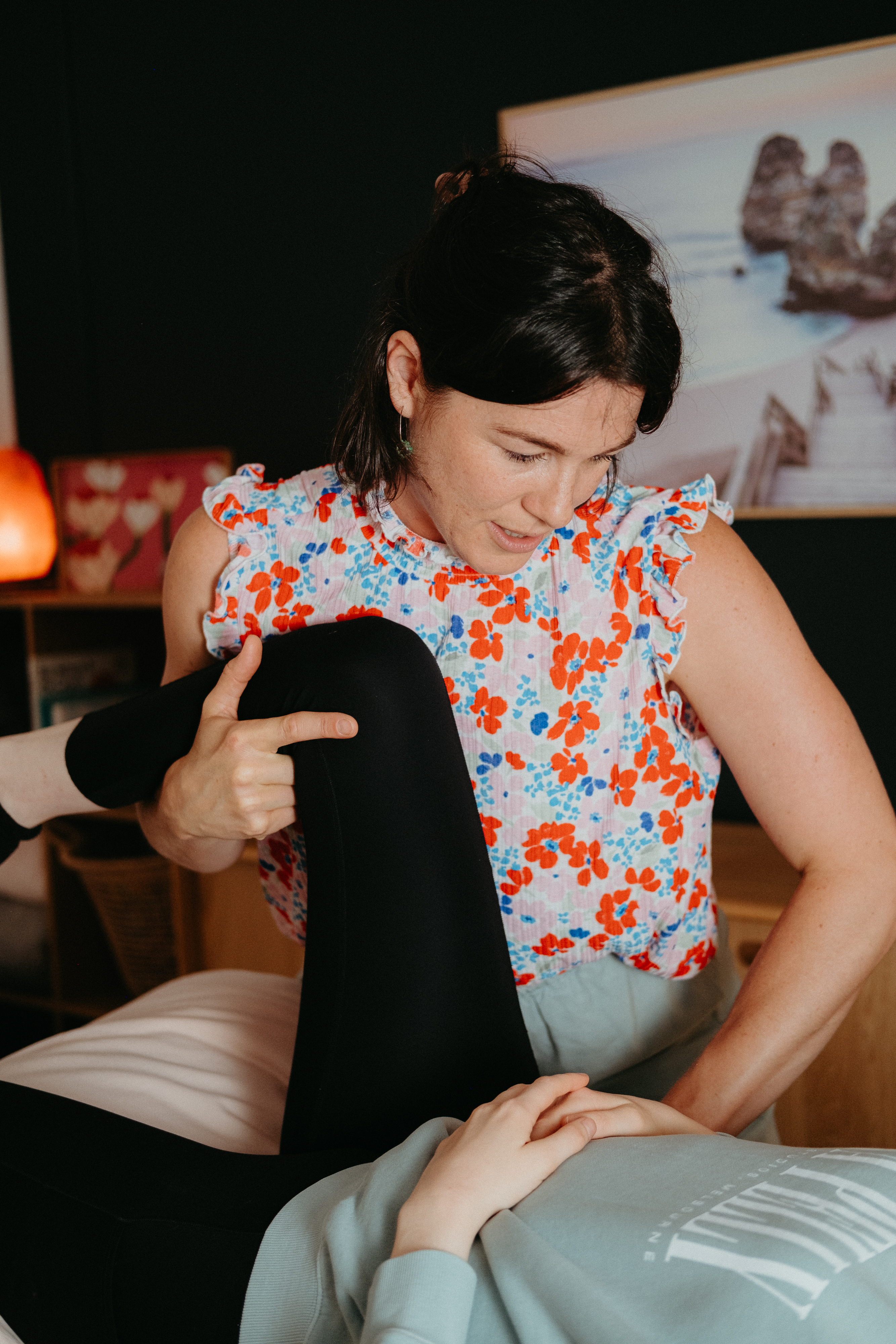
a physical assessment & any orthopedic testing is then performed
followed by a discussion around the findings, as well as treatment plan
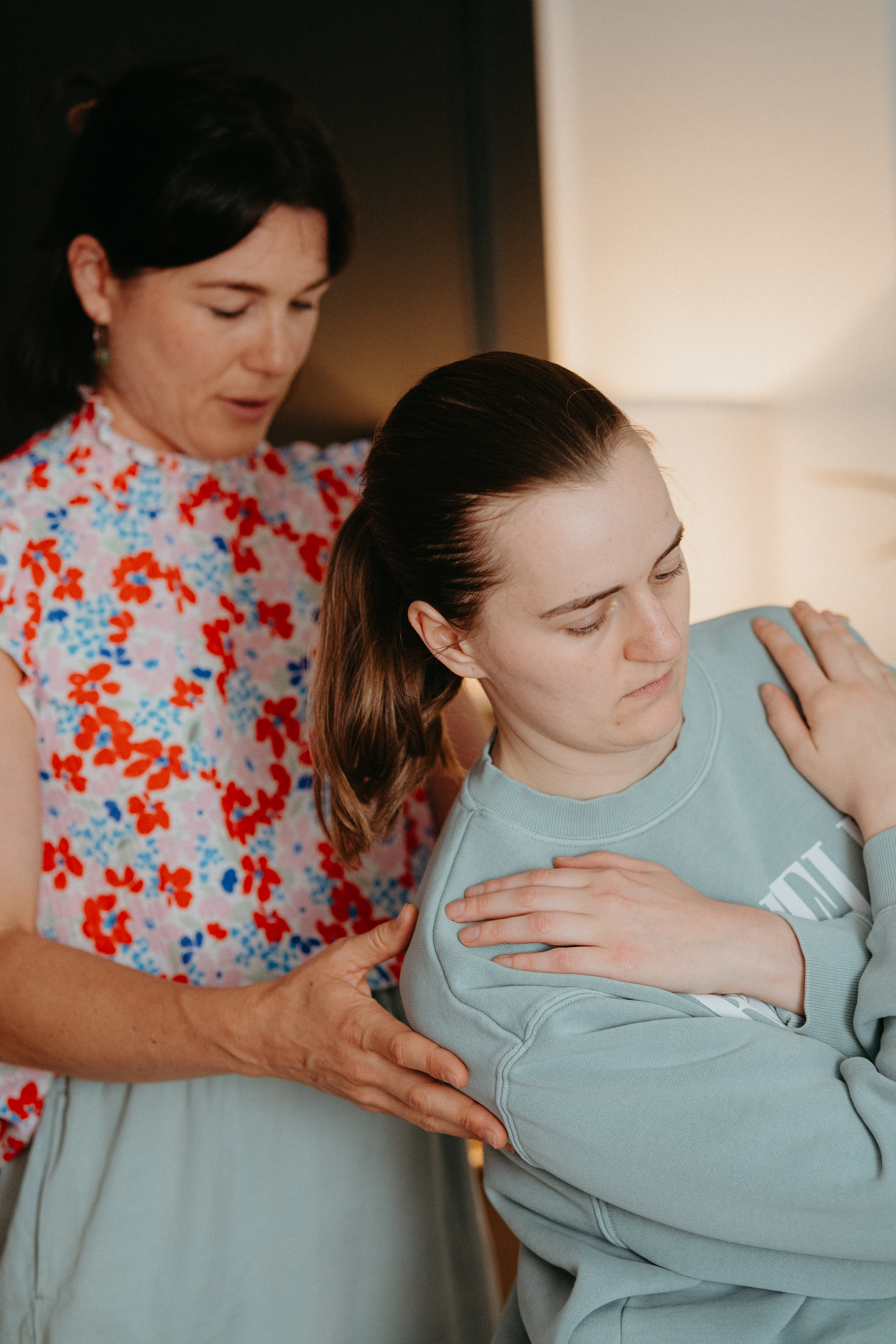
treatment involves hands on techniques to which you can give consent or not
most people feel a sense of release from the techniques performed so it is encouraged to just relax during the treatment
After your treatment:
drink plenty of water to assist the body in adapting to the changes from the treatment
it is normal to feel relaxed and a little tired after treatment
some people experience some soreness for 1-2 days following the treatment, like after exercising
an exercise program may be sent to you to manage your symptoms
faqs
Are Osteopaths registered with a governing body?Yes, Osteopaths in Australia are government registered practitioners through AHPRA. Osteopaths complete a five year training at university in anatomy, physiology, pathology, radiology, clinical diagnosis and management, osteopathic techniques. Yearly continuous professional development is required to maintain registration with AHPRA.
Is Osteopathy covered by my private health fund? Most health funds will include Osteopathy under your extras policy. It is recommended to check with your health fund and find out how much allowance you get per year.
Can I claim through my private health insurance on site? Yes, we have a HICAPS Terminal on site.
Is Osteopathy covered by Medicare? If you have a Medicare Care Plan by your GP, giving you 5 sessions per calendar year, then yes. Medicare will give you a rebate per session and there will be a gap payment to pay at each session.
I have a Workcover Claim, TAC Claim or am a Department of Veteran's Affairs Client- can I use Osteopathy as a service? Yes, you can. Osteopaths a recognised providers for these third parties.
Should I bring any imaging or scans to my appointment? Yes, if you have Xrays, US or MRI results, please bring them in for your osteopath to include them in your assessment and case history.
KEEP IN THE KNOW:
Join our Mailing List
Sign up to our monthly newsletter.